

By Dr. Usman Waheed, Associate Professor, Islamabad Medical & Dental College, Islamabad, Pakistan
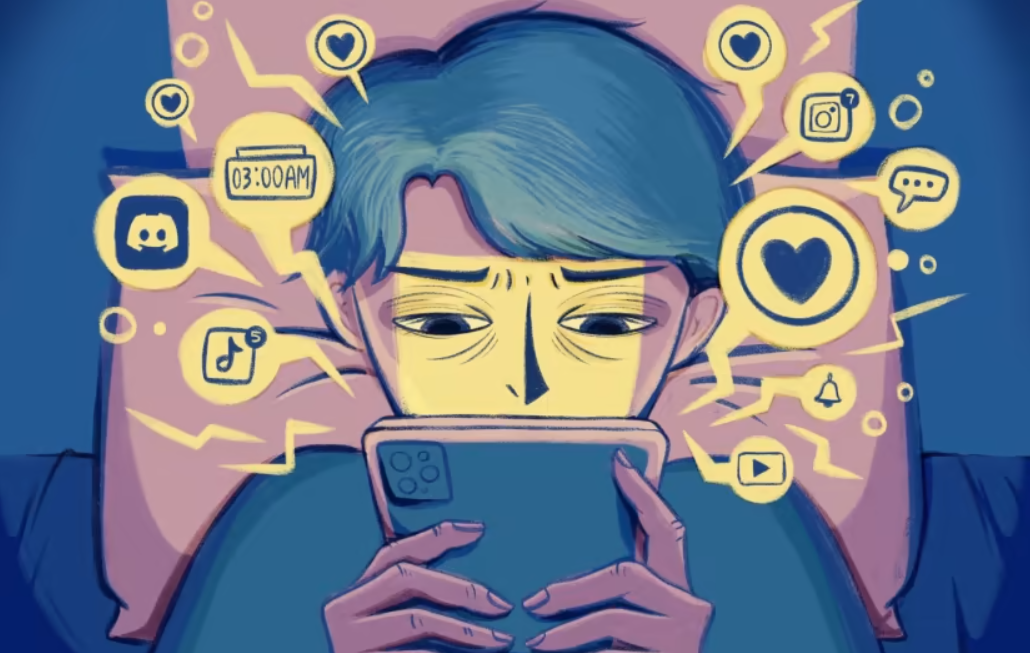
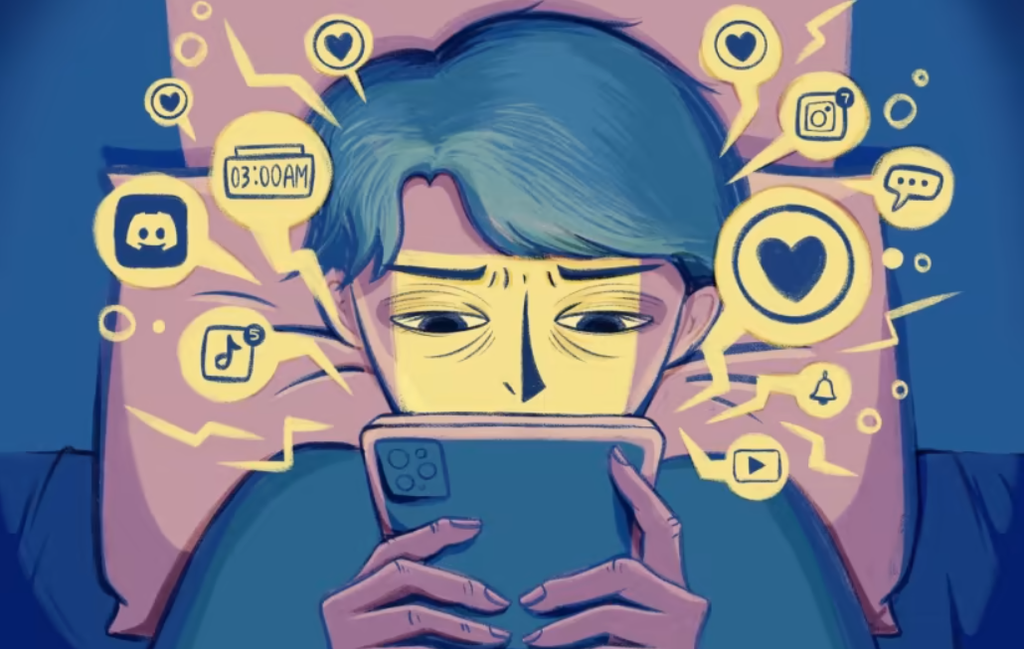
For majority of the Gen Z’s, bedtime no longer means sleep. It means one more scroll through Instagram, another YouTube video, a few WhatsApp messages, an online game, or simply lying in bed with a mobile phone until two or three in the morning. What appears to be a harmless lifestyle change is quietly creating what is increasingly described as a “tired generation.”
Sleep is not merely a period of rest. It is an essential neurophysiological process during which the brain consolidates memories, regulates emotions and restores functions vital to physical and mental health. According to the American Academy of Sleep Medicine, youngsters require 8 hours of sleep every 24 hours for optimal health.
Yet for Gen Z, the smartphone has increasingly followed them into the bedroom. Surveys suggest that a very high proportion of Gen Z delay bedtime because their phones are within easy reach. Light from phones, tablets and laptops can interfere with the normal timing of melatonin, the hormone that helps signal to the body that it is time to sleep. Social media, gaming and endless scrolling provide additional mental stimulation at precisely the time the brain should be winding down.
Importantly, when we sleep matters as well as how much we sleep. A young person who stays awake until dawn and then sleeps well into the afternoon may accumulate several hours of sleep, but this irregular pattern can disturb the body’s natural circadian rhythm. Research led by Prof. Mary Carskadon at Brown University has demonstrated that teenagers undergo important biological changes in their sleep-wake cycle. When these biological changes combine with late-night activities, screens, study pressures and early morning commitments, adolescents can develop substantial sleep deprivation.
The consequences extend far beyond feeling sleepy the next morning. Insufficient sleep is associated with problems involving attention, memory, reaction time, decision-making, behaviour and learning, as well as increased risks of accidents, obesity, hypertension, diabetes, metabolic disorders and cardiovascular problems.
Sleep deprivation also has an emotional price. Poor and irregular sleep can interrupt normal stress and happiness hormones regulation, contributing to irritability and low mood, and making emotional control more difficult. A sleep-deprived teenager may become short-tempered, impulsive, physically inactive and less motivated. Persistent sleep problems have also been associated with anxiety and depression.
There is another consequence that deserves particular attention in Pakistan: road safety. In a study examining 4,333 sleep-related crashes in North Carolina, USA, researchers found that 55% involved drivers aged 25 years or younger. Most were vehicles running off the road, and the crashes commonly occurred during periods when biological sleepiness is greatest. For Pakistan, where large numbers of young people travel by motorcycle or car, the lesson is important: a severely sleep-deprived young person behind the wheel can be dangerous to himself and to others.
Deep thinking and creativity often require moments of solitude, yet the constant buzz of a phone, notifications and messages repeatedly interrupt the mind before a thought can fully develop. The value of such uninterrupted reflection is timeless: Prophet Muhammad (PBUH) would retreat to the Cave of Hira (Ghar-e-Hira) for periods of solitude, contemplation and reflection, away from the distractions of everyday life. In today’s hyperconnected world, deliberately creating such quiet spaces may be more important than ever.
So, What Can We Do?
The answer is not to remove technology from Gen Z’s lives, but to set healthier boundaries. Teenagers should aim for 8-10 hours of sleep with consistent sleep and wake times. Phones, laptops and tablets should ideally be put away at least an hour before bedtime and kept away from the bed.
Parents can introduce a family-wide “digital curfew” rather than imposing restrictions only on teenagers. Late-night caffeine and energy drinks should be limited, while regular exercise, morning sunlight and a dark, quiet bedroom can help maintain a healthy sleep-wake cycle.
Schools, colleges and universities in Pakistan should treat sleep health and digital wellbeing as important student health issues. Persistent insomnia, daytime sleepiness, mood changes or declining academic performance should not simply be dismissed as “typical teenage behaviour.”
Above all, we must challenge the belief that sleeping less means working harder. A student awake until 3 a.m. is not necessarily achieving more; often, they are simply borrowing hours from tomorrow and paying them back with poorer concentration, mood, health and performance.
Pakistan’s Gen Z represents a major part of the country’s future human capital. We repeatedly tell our young people to study harder, work harder and achieve more. Perhaps we should also give them one much simpler piece of advice: “Put the phone away. Your brain needs sleep.”