
Electronic medical records introduced at 18 health centres; rollout to 150 facilities planned by February 2027
Sindh Health Minister Dr. Azra Fazal Pechuho has inaugurated a range of digital data systems aimed at modernising public healthcare services, improving transparency and enabling evidence-based decision-making across the province.
The initiative includes an Electronic Medical Record (EMR) system, a Human Resource Management Information System (HRMIS), geographical mapping of Lady Health Workers (LHWs), and a digital portal for monitoring healthcare infrastructure projects under the World Bank-supported 1,000 Days Programme.
According to the Health Department, the EMR system has initially been introduced at 18 Basic Health Units (BHUs). The government plans to expand the system to 150 healthcare centres by February 2027 and extend it to all primary healthcare centres across Sindh by the first quarter of 2028.
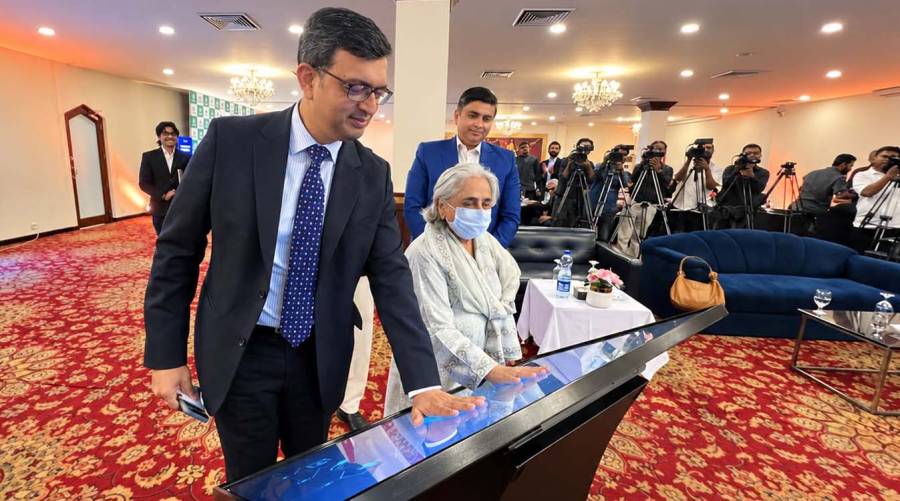
Under the system, patients’ medical histories, outpatient department (OPD) visits, medicines provided, emergency services, maternal and child healthcare, nutrition and family planning information will be recorded electronically. The system is expected to reduce paperwork, improve coordination between healthcare facilities and support more efficient patient care.
The department has also introduced the HRMIS to digitise administrative processes involving government health employees, including leave applications, approvals, transfers and disciplinary matters. Officials reported that more than 700 leave applications had been processed through the digital portal during September and October 2026.
In another development, the digital registration and geographical mapping of Lady Health Workers have been completed to help identify underserved communities and improve the delivery of primary healthcare services. Their performance, along with activities related to immunisation, nutrition and women’s health, is also expected to be monitored through digital tools.
The initiative further includes an online monitoring portal for the World Bank-supported 1,000 Days Programme, under which 340 healthcare facilities are being reconstructed or rehabilitated in flood-affected districts and other areas. Of these, 276 facilities are undergoing complete reconstruction, while 64 are undergoing rehabilitation.
The portal enables officials to monitor project progress through monthly photographic records and progress reports, strengthening transparency and oversight of development activities.
The inauguration ceremony was attended by World Bank Practice Manager Dr. Sherin Varkey, Sindh Health Secretary Tahir Hussain Sangi, PPHI Sindh Chief Executive Officer Javed Jagirani, retired Justice Majida and other officials.
The Health Department said the digital reforms were part of broader efforts to improve healthcare administration, strengthen monitoring of essential services and ensure the timely delivery of quality healthcare to people across Sindh.
As the initiative expands, its success will depend on the effective implementation of the systems, the accuracy of health data and the protection of patients’ confidential medical information.